
Why local business owners say yes to a print ad and no to everything else
The owner is not rejecting the price. They are rejecting what they cannot hold in their hands and verify with their own eyes.
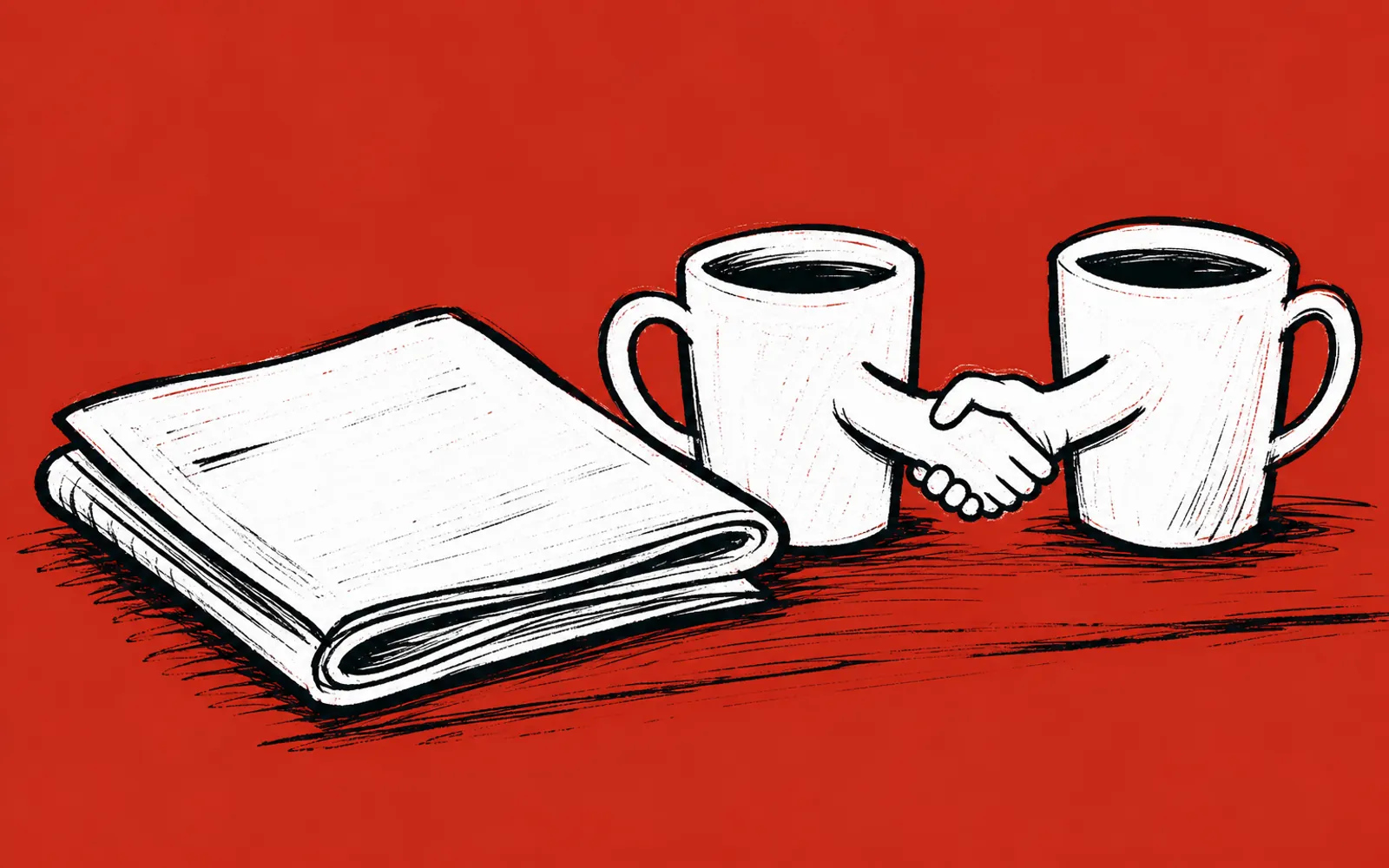
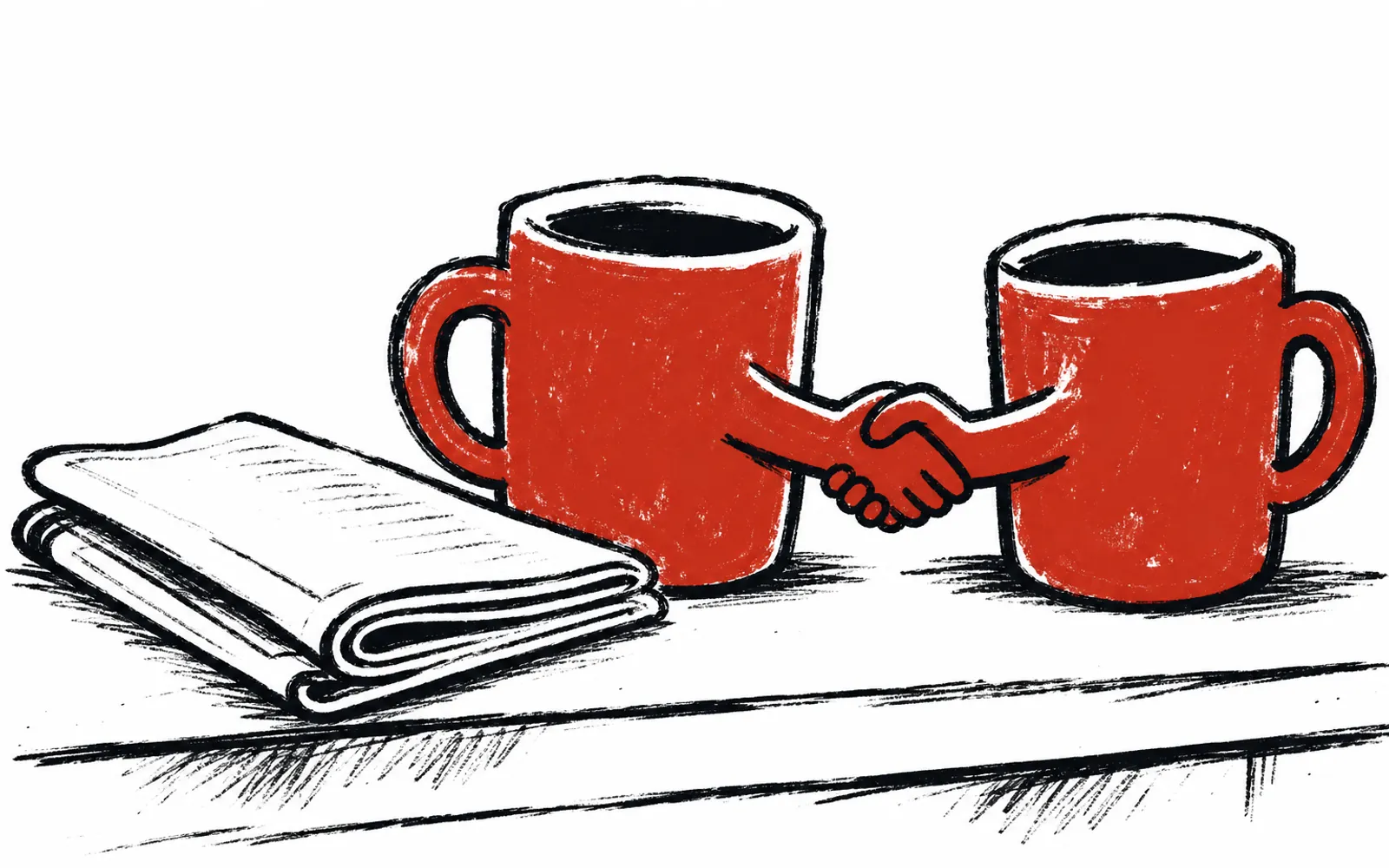
- Owners trust print because they can see it, hold it, and show it to their family
- A no to a digital offer is usually a no to risk, not a no to the product
- The first ask should be small and familiar, not the full digital package
- Each delivered result closes part of the trust gap before the bigger ask
A publisher sells the same restaurant owner a print ad every year. The ad runs, the owner gets the paper, friends mention it, and the renewal happens without much discussion. Then the publisher pitches something digital, a sponsorship on the website or a spot in the newsletter, and the owner goes polite. They say they will think about it. They do not call back.
The owner is not saying no to the price. They are saying no to something they cannot see, hold, or verify on their own. That is the trust gap, and understanding it changes how a publisher should sell.
What the owner is actually afraid of
Print has proof built in. The owner can pick up the paper, find their ad, count the pages, and hand a copy to a spouse or a manager. If a customer walks in holding the paper, the owner sees the result with their own eyes. Nothing about that transaction requires the owner to trust anyone's dashboard, report, or word.
A digital offer asks the owner to trust things they cannot check the same way. They cannot hold a newsletter. They cannot watch a stranger open an email. Numbers on a report, an impressions figure, a click count, all of it rests on the publisher's honesty and the owner's ability to read a metric they have never used. For an owner who balances risk all day, the safest answer is no.
There is a second fear underneath the first. Many local owners have already paid for a digital product that did nothing, a website rebuild, a social campaign, a coupon service, and they have no way to know whether it worked. Their no is not about the publisher standing in front of them. It is about the last person who sold them something invisible.
Who this approach is for
This sequencing approach works for publishers who already have print relationships, advertisers who renew, and owners who take their calls. The existing print relationship is the asset. The owner already said yes once, and probably many times, to something they can see.
It does not work as well for a seller with no track record in the market. A cold digital pitch to an owner who has never bought from you faces the full trust gap with nothing on the other side of the scale. If the print relationship does not exist, the first job is to earn a small yes somewhere else, not to lead with the big ask.
The sequence that earns the bigger yes
The fix is to make the first digital ask so small and so familiar that it feels like the print ad the owner already buys. Then let each delivered result stand in for the proof print used to provide. The sequence below is one way to do it.
- 01Start with the print ad they already trust
Keep the existing print relationship intact, because it is the proof that you deliver what you sell.
- 02Add something free and visible
Put the owner's business in a directory listing, an event, or a mention that costs them nothing, so they see their name on your digital product with no risk.
- 03Show them the result personally
Bring a screenshot or a printed copy of where their business appeared, so they hold the proof in their hands the way they hold the paper.
- 04Make the first paid ask small and familiar
Pitch a low-commitment digital placement that resembles the print ad they already buy, not a full package.
- 05Report results in plain language
Tell them what happened in words they use at their own counter, not in metrics they have to take on faith.
- 06Then make the bigger ask
Once the small placement has delivered and been seen, the sponsorship or package pitch lands on an owner who has already said yes to the digital side once.
The order matters more than any single offer. A small yes delivered and proven gives the owner evidence. Evidence replaces the trust they cannot extend to a stranger's dashboard. By the time the bigger ask arrives, it no longer feels like a leap.
How to do this without buying anything new
A publisher can run this sequence with the tools already on hand. A free directory entry can go in the next issue's companion web page. A screenshot can be printed and delivered with the advertiser's proof copy of the paper. A small digital placement can be sold as a bundle with the next print renewal, priced so the owner barely hesitates. The cost is time and follow-through, not software.
The trade-off is scale. Doing this by hand for every advertiser works for a handful of relationships and gets heavy beyond that. Some publishers find that a system which handles the site, directory, newsletter and events in one place makes the proof easier to deliver consistently, though the sequencing itself has to come from the publisher's own discipline either way.
Questions people ask
Why does the owner trust a print ad more than a digital one?
Should I lead with a cheaper price to win the digital sale?
What if the owner has been burned by a digital product before?
Does this work for owners I have never sold print to?
TJ has launched 20+ local media brands with 175k+ subscribers and built the system mainstreet gravity members run on.