

Five ways local publishers fund a news site without paywalls
A free local news site can still pay for itself. Here are the five revenue models publishers use, and what each one asks of you before you commit.
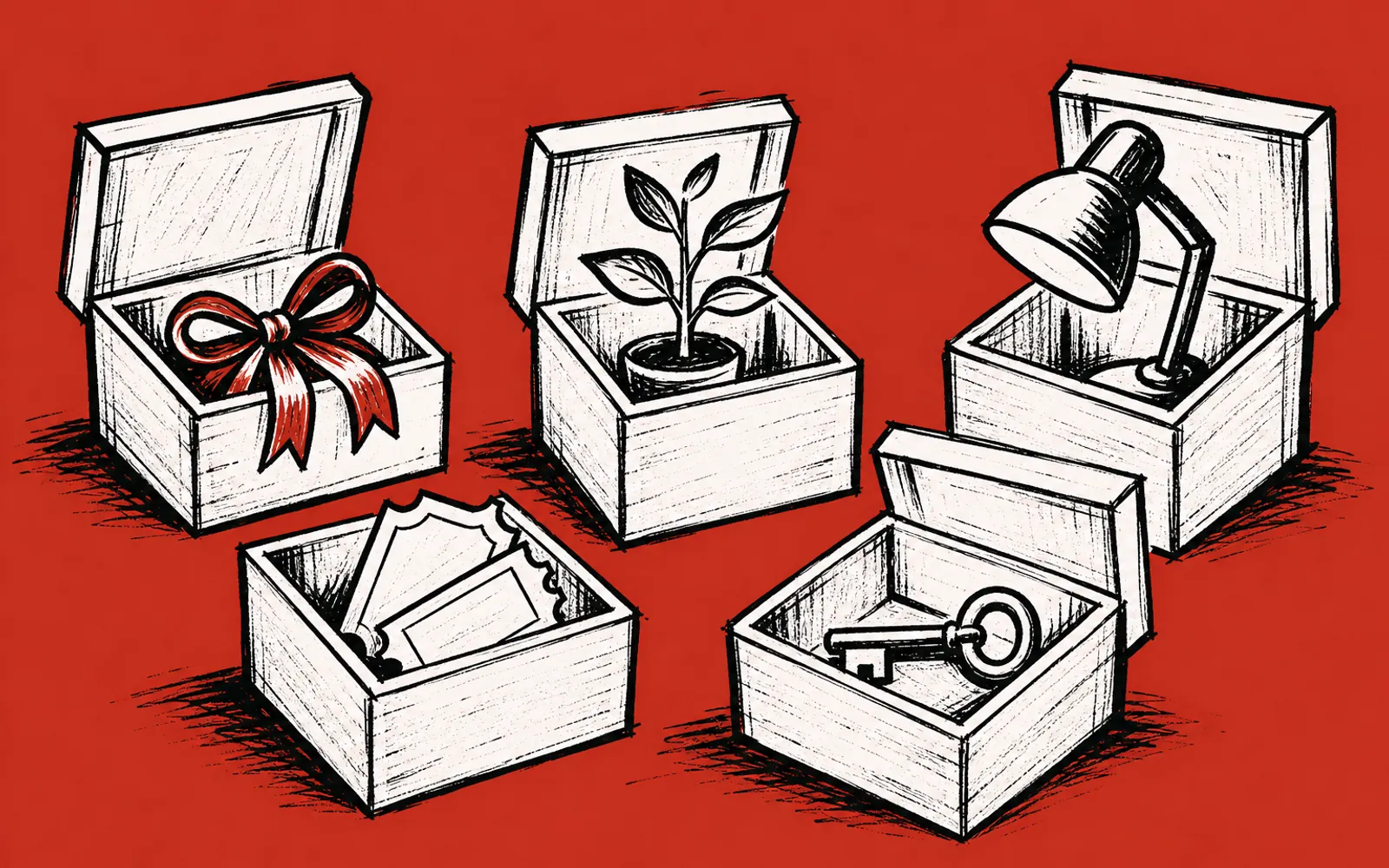
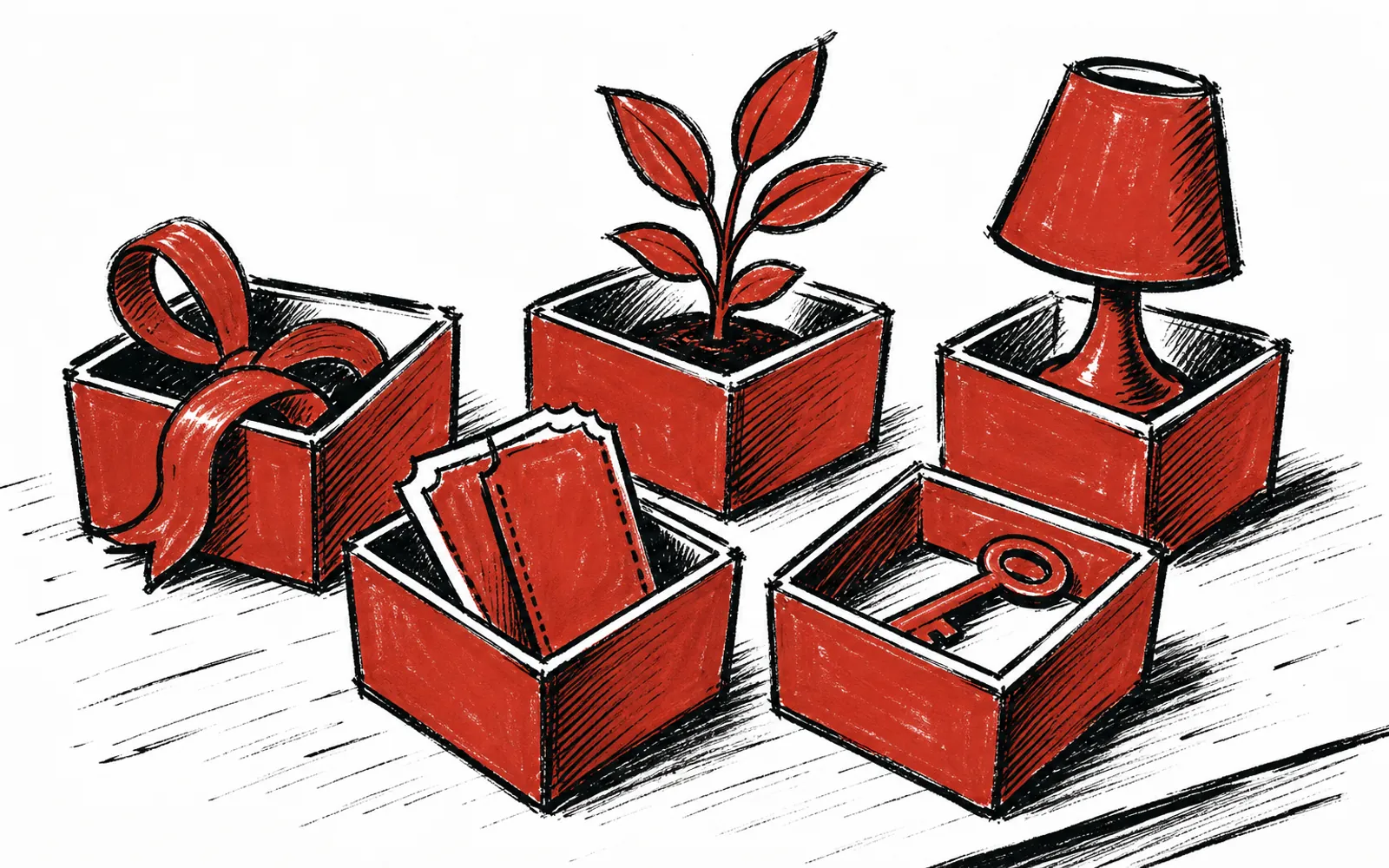
- Free local news sites are funded through sponsorships, directory listings, events, underwriting and memberships.
- Each model trades effort against reliability differently, so staffing and relationships should drive the choice.
- A publisher who already sells print ads starts with sponsorship, because the relationships already exist.
- The models can be combined, and many publishers run two or more at once.
The print issue has gone to press. The publisher owns relationships with dozens of local advertisers built over years of selling space on paper. Now the same publisher sits in front of an empty web CMS and asks the obvious question: if the news online is free, who pays for it? The answer is not a paywall. Free local news sites are funded through five models: sponsorships, directory listings, events, underwriting and memberships. Each one trades effort and reliability differently, and the right choice depends on what you already have.
What each model is
A sponsorship is a business paying to be presented alongside your content, usually with its name attached to a section, a newsletter edition or a recurring feature. It is the closest digital relative of the print ad your advertisers already understand. A directory listing is a paid entry in a business directory on your site, where the business gets a page with its name, contact details and a description, and pays for placement and visibility. An event is a ticketed or sponsored gathering you run yourself, such as a community forum or an awards night, funded through tickets, sponsors or both. Underwriting is a business funding your work in a way similar to public radio: the supporter pays to keep the news free and gets a credit, rather than buying an ad slot. A membership is a voluntary payment from readers who want to support the outlet, with the content staying free for everyone.
The tradeoff in each model
The five models are not equal in what they demand. Sponsorship leans on sales skill and existing relationships; it works best when you already sell advertising, because the pitch is a familiar one to both sides. Directory listings are closer to a product sale: build the directory once, then sell entries repeatedly, which suits a publisher who wants something less dependent on each new conversation. Events demand the most new work, since running a gathering is a different job from publishing, and they carry the most operational risk, but they concentrate attention and goodwill in a way a listing cannot. Underwriting asks for credibility more than sales force; a supporter funds you because the work itself matters to the community. Memberships ask for an audience that cares enough to pay for something it could read for free, which usually means the site has been publishing long enough to earn that loyalty.
How to pick one
Start from two questions. First, what relationships do you already have? A publisher with a book of print advertisers should look at sponsorships first, then a directory, because both sell to businesses you already know. A publisher with a strong community reputation but a thin sales background should look at underwriting and memberships. Second, how much staff time can you spare each week beyond publishing? Listings need maintenance but little live work. Events need weeks of planning and a team on the night. Sponsorships need steady selling calls. Match the model to the hours you actually have, not the hours you hope to have.
Checklist before you commit
- 01Name your existing relationships
List the local businesses that already trust you, since sponsorships, listings and underwriting all start there.
- 02Count your weekly hours
Decide how many hours beyond publishing you can commit, because events and sponsorships take ongoing time.
- 03Test one business conversation
Pitch the model to one friendly advertiser before building anything, and listen to the objection you get.
- 04Define what the buyer receives
Write down exactly what the sponsor, listing, event supporter, underwriter or member gets in return.
- 05Decide what you can deliver weekly
Commit only to what your current staff can sustain without dropping the newsroom work.
- 06Plan a second model for later
Pick the model you would add once the first one runs, since the five can combine.
Combining models
The models are not mutually exclusive, and a single model is rarely the whole answer. A directory can sit under a news site that also sells sponsorships, with an annual event layered on top. Memberships and underwriting can coexist with all of the above, since both rest on trust rather than ad inventory. The practical sequence for most publishers is to start with the model closest to what already works, prove it, and add the next one from revenue rather than hope.
Questions people ask
Which model fits if I already sell print ads?
Which model needs the least new staff effort?
How do the models combine?
How does a membership work when the content is free?
TJ has launched 20+ local media brands with 175k+ subscribers and built the system mainstreet gravity members run on.